
Birds, Raccoons or Squirrels in Your Chimney?
Chirping, scratching or a smell from the fireplace? How to handle chimney swifts, raccoons and squirrels in a Northwest Indiana chimney, and how to keep them out.
NWI Chimney · October 4, 2026
The short answer
First, don't light a fire to drive them out. If you hear birds chattering in summer, they're likely chimney swifts, which are federally protected — the nest has to stay until they leave in the fall. Raccoons and squirrels are a job for a licensed wildlife control company. Once the chimney is empty, a stainless cap ($250–$400 installed) keeps them out for good.
Chimney swifts
Chimney swifts spend the warm months in Indiana and leave for South America in the fall. They nest inside chimneys and the young make a loud chattering noise for a couple of weeks. They're protected under the Migratory Bird Treaty Act, so an active nest can't be removed or blocked in. The good news: once they've gone for the season, the chimney can be swept and capped.
Raccoons
Raccoons use uncapped chimneys as dens, often to have their young in spring. You'll hear heavier thumping and scratching, sometimes on the smoke shelf just above the damper. Keep the damper and fireplace doors shut and call a licensed wildlife control company — they're trained to remove the mother and young together.
Squirrels and other birds
Squirrels usually fall in and can't climb back out; you'll hear scratching at the damper. Starlings and house sparrows also nest in chimneys and vents. A trapped animal can often be helped out by a wildlife company without coming into the house.
Keeping them out
After the animals are out, the nest material should be removed — it's flammable and can block the flue. Our sweep is $249 flat with a 21-point safety inspection. A stainless steel cap on a single flue runs $250–$400 installed, and multi-flue or custom caps $350–$600.
More answers
Can I light a fire to make them leave?
No. It can kill trapped animals, and a nest in the flue can catch fire or push smoke and carbon monoxide into the house.
When can chimney swifts be removed?
Only after they've left for the season, usually by fall. Then sweep the chimney and install a cap before spring.
Do you remove animals?
We don't trap or remove live animals. We sweep out nests once the chimney is empty and install the cap.
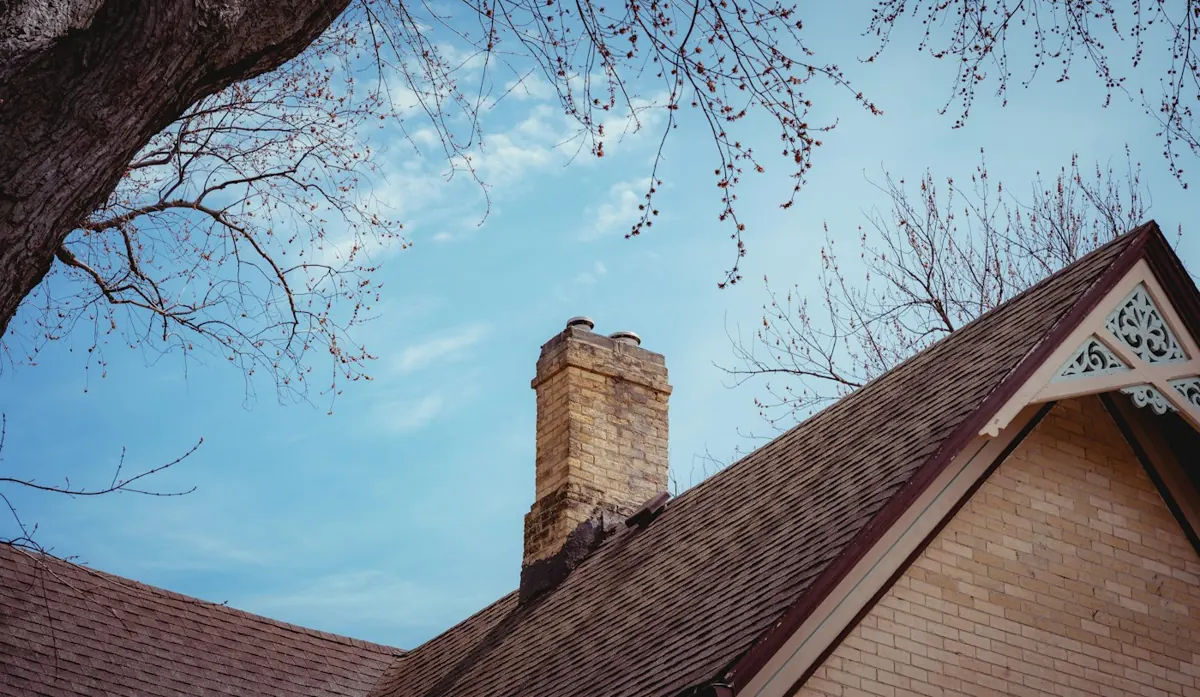 Why Are My Chimney Bricks Flaking and Crumbling?Chipped, flaking chimney bricks are freeze-thaw damage. Why it happens so often in Northwest Indiana, how to stop it, and what repairs cost.
 Should I Get a Chimney Inspection Before Buying a Home?Why a general home inspection doesn't cover the inside of the chimney, what a Level 2 inspection shows, and what it costs in Northwest Indiana.
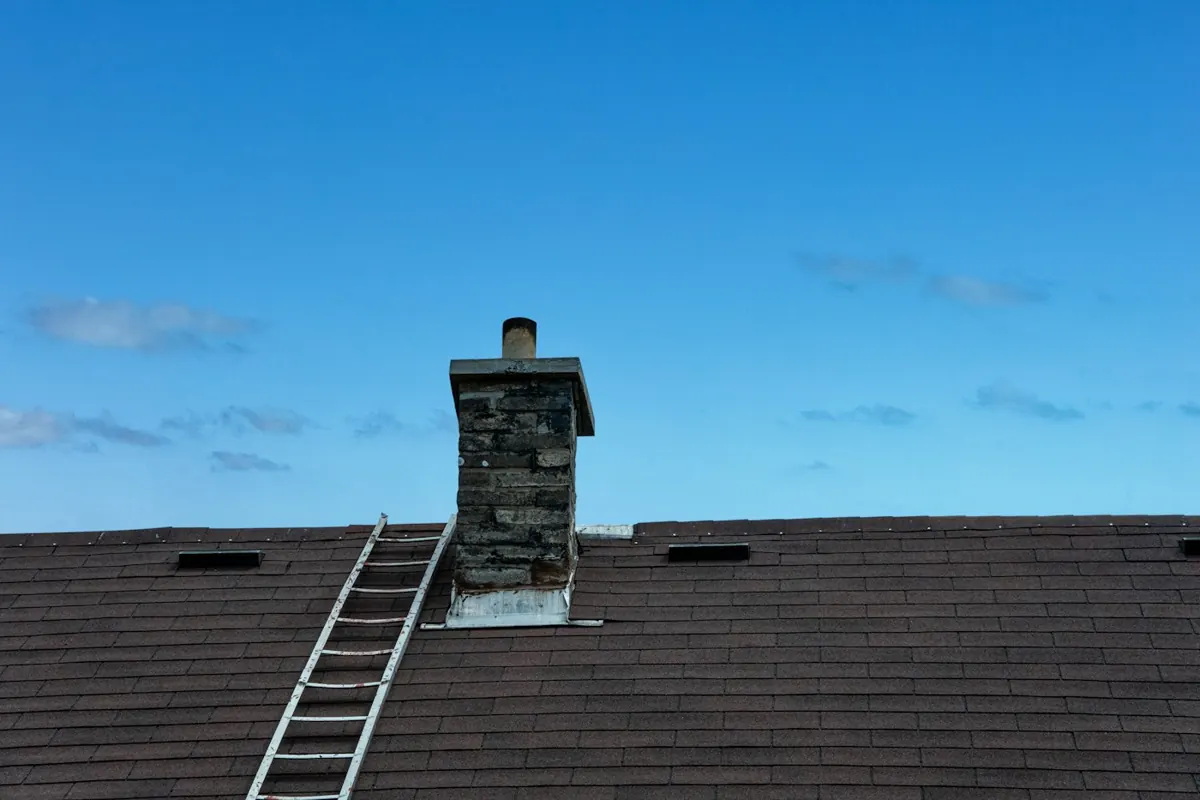 Does My Furnace or Water Heater Chimney Need a Liner?Why a gas furnace or water heater venting into an old masonry chimney can damage it, the signs, and what a stainless liner costs in Northwest Indiana.
Ready for a safer, cleaner chimney?
Same-week appointments, honest flat pricing, no scare tactics — and same-day emergency service when it can't wait. Licensed and insured.