
My Chimney Cap Blew Off. Do I Need to Replace It Before Winter?
A cap that blew off in a Northwest Indiana windstorm leaves the flue open to snow, animals and downdrafts. What to do first, which cap fits, and what it costs.
NWI Chimney · November 23, 2026
The short answer
Yes. Get a missing cap replaced before you depend on the fireplace this winter. With the top of the flue open, snow and rain fall straight in, birds and squirrels can get inside, and gusts can shove smoke back down into the room. Until someone has looked down the flue, don't light a fire if parts of the cap or loose masonry could have dropped inside. A stainless cap for one flue runs $250–$400 installed, and a cap covering several flues $350–$600.
Why caps let go in the Region
Hard wind behind a strong cold front is a familiar part of late fall and early winter here. The National Weather Service office in Chicago logged one example in its December 2021 storm data: on the morning of December 11, gusts across Northwest Indiana were often between 45 and 55 mph, peaking at 66 mph at Gary Airport and 62 mph at Valparaiso Airport. Four days later another round brought a 61 mph gust near Munster, and the Michigan City Harbor station on the lake recorded gusts of 56 to 59 knots across the two storms.
Gusts like those find the weak cap on the street: a galvanized cap whose legs have rusted thin, one held by a couple of loose screws, or one clamped to a flue tile that has cracked in its mortar. The cap sometimes takes a piece of that tile with it.
What the cap was doing for you
- Keeping water out of the flue. An open flue collects rain and melting snow. The water rusts the damper, soaks the smoke chamber and gets into clay tile joints, where every freeze widens the gaps.
- Keeping animals out. An open flue is an easy den or nest site, and the sticks and leaves they carry in are fuel that can block the flue.
- Catching embers. The mesh sides act as a spark arrestor, so burning bits of wood land inside the cap instead of on your roof or the neighbor's leaves.
- Blunting the wind. The lid breaks up gusts that would otherwise blow down an open flue and push smoke into the house.
The Indiana Residential Code, which is built on the 2018 International Residential Code, sets rules for that mesh in section R1003.9.2. When a spark arrestor is put on a masonry chimney, its openings must stop anything wider than 1/2 inch without blocking anything smaller than 3/8 inch, its open area must be at least four times the area of the flue outlet, and the screen or cap must come off or be reachable for cleaning. A small-mesh or clogged screen that chokes the draft is a problem, not an upgrade. One note on wording: in the code, the "chimney cap" in R1003.9.1 is the concrete, metal or stone top that sheds water, the part most people call the crown.
What to do right after it blows off
- Stay on the ground. A roof that is wet, frosty or under snow is not a place to go looking. Binoculars from the yard or a window will show whether the cap is gone, bent or hanging.
- Walk the yard. Check the lawn, gutters, driveway and the far side of the house. If you find the cap, keep it. Its size and mounting tell us a lot about what failed.
- Hold off on fires. A cap you can't find may be stuck on the roof or wedged partway down the flue. Broken mesh, chunks of tile or mortar can narrow the flue and send smoke and carbon monoxide back inside.
- Close the damper on a wood-burning fireplace to keep rain off the smoke shelf, but leave gas-log fireplaces set the way the installer left them.
- Watch shared flues. If a furnace or water heater vents into the same chimney and a CO alarm sounds, get everyone outside and call 911.
Which kind of cap fits your chimney
- Single-flue cap: clamps or screws onto one flue tile that sticks up above the crown. It is the usual setup on older brick chimneys. $250–$400.
- Multi-flue or top-mount cap: one larger cap that sits over the whole crown and covers two or more flues, such as a fireplace beside a furnace flue. It also works when the tiles are too short or uneven for single caps. It is anchored to the crown, so the crown has to be solid. $350–$600.
- Chase cover for a factory-built fireplace: many newer subdivisions have prefab fireplaces in a framed, sided chase. There the top is a sheet-metal chase cover with the termination cap above it. A rusted or dented cover is replaced, $250–$450, and the cap on top should be the part made for that fireplace model.
Stainless steel is the better choice over galvanized, because a cap that rusts at the legs is the kind that ends up in the yard.
What happens at the visit
The inspection is free. On a dry, clear day we check the top of the chimney and photograph it: the flue tile, the crown under where the cap sat, and anything that came down the flue. Wind strong enough to tear off a cap can also loosen the tile or the crown, and it makes sense to fix those in the same trip. You get one flat price before any work starts.
More answers
Can I use the fireplace for a few weeks without a cap?
Not until the flue has been checked for debris. After that it will work, but every rain or snow puts water into the flue and the damper, so book the replacement soon rather than waiting for spring.
Can I just put the old cap back on?
Only if it is undamaged and the tile or crown it was fastened to is still sound. A cap that came off once had a reason to, such as rusted legs or a loose tile, so putting it back the same way invites a repeat.
Will a new cap fix a chimney that leaks?
Only if the water was coming in through the open flue. Leaks beside the chimney usually come from flashing, and leaks through the brick from the crown or the masonry itself, so we check all three.
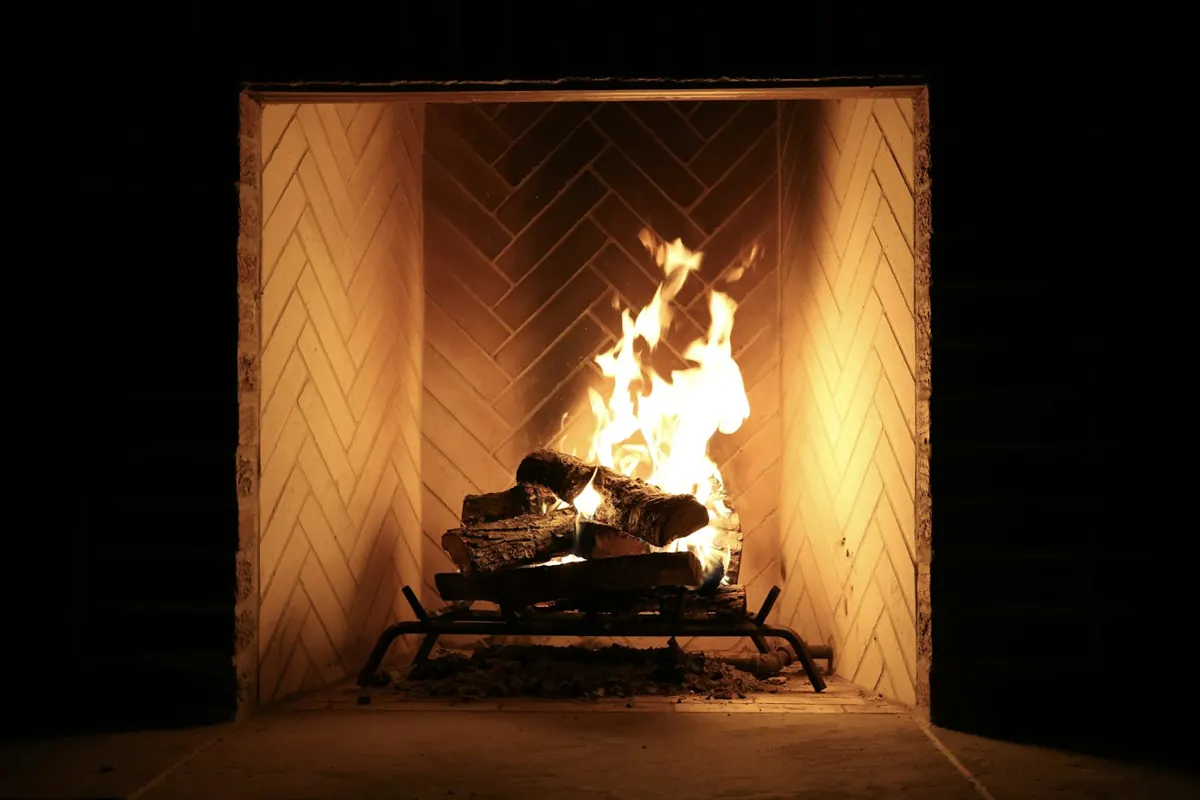 Is a Prefab Fireplace Worth Repairing?Factory-built fireplaces fail differently from brick ones. What usually breaks, what's worth fixing, and when a Northwest Indiana prefab unit should be replaced.
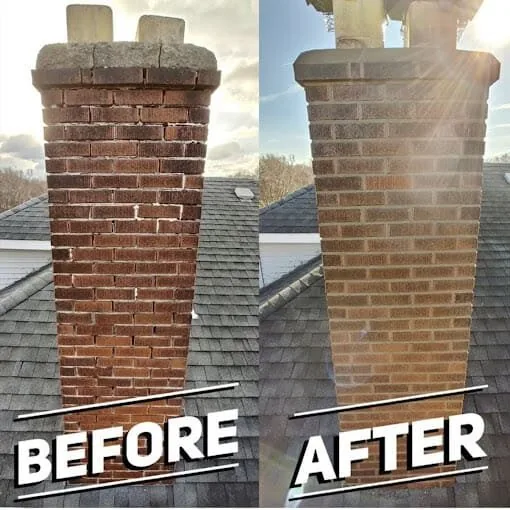 What Are the White Stains on My Chimney?White, chalky deposits on chimney brick are efflorescence — a sign water is moving through the masonry. What causes it and how to stop it in Northwest Indiana.Should I Get a Chimney Inspection Before Buying a Home?Why a general home inspection doesn't cover the inside of the chimney, what a Level 2 inspection shows, and what it costs in Northwest Indiana.
Ready for a safer, cleaner chimney?
Same-week appointments, honest flat pricing, no scare tactics — and same-day emergency service when it can't wait. Licensed and insured.