
Why Is Cold Air Coming From My Fireplace?
A cold draft from the fireplace when no fire is lit usually means a damper that doesn't seal. Causes, safe quick fixes and repair costs in Northwest Indiana.
NWI Chimney · November 6, 2026
The short answer
A cold draft from a fireplace with no fire in it almost always comes down the flue past a damper that is open, warped or rusted so it no longer seals. Your chimney is a tall open pipe to the outside, and on a windy night off Lake Michigan cold air sinks straight down it. Close the damper, check that it actually seals, and if it doesn't, a damper repair or replacement ($180–$450) or a top-sealing damper at the top of the flue stops it.
Where the cold air gets in
- The damper was left open after the last fire. It's the most common cause and the easiest to fix.
- The damper is closed but leaks. Old cast-iron throat dampers rust, warp from heat and stop sitting flat on their frame. Light shows around the plate, and so does the draft.
- No damper at all. Some older fireplaces lost theirs years ago, and some stoves and inserts never had one in the masonry flue above them.
- Gaps around the fireplace. Cracks between the firebox and the surround, or a factory-built fireplace whose framed chase isn't sealed well, let outside air into the room even when the flue is shut.
Why it's worse in a Region winter
Northwest Indiana sits on the southern shore of Lake Michigan, where arctic air crossing the warmer lake water turns into lake-effect snow and hard wind. In one February 2012 event, the National Weather Service Northern Indiana office recorded lake-effect bands dropping 2 to 4 inches of snow an hour over Porter County. A chimney on an outside wall sits in that cold the whole time. The cold, heavy air inside the flue falls toward the warm house, and anything that leaks at the bottom lets it into the room. Wind across the top of an uncapped flue makes it worse.
What you can check tonight
- Close the damper and shine a flashlight up past it. If you see daylight or feel air moving around the edges, it isn't sealing.
- Feel around the surround and hearth with the back of your hand on a windy evening. Air coming through cracks there is a masonry or framing gap, not a damper problem.
- A chimney balloon or plug is a fair stopgap for a fireplace you don't use. It must come out before any fire, so leave a note on the fireplace.
- Gas logs? Don't force the damper shut. Gas log makers require the damper to be fixed partly open so exhaust always has a way out. A draft there is a question for the inspection, not something to block.
The fixes and what they cost
Cornell Cooperative Extension's winter energy advice is simple: keep the damper closed whenever you aren't using the fireplace. That only works if the damper can close.
- Throat damper repair or replacement: $180–$450. Fine when the frame is sound.
- Top-sealing damper: a lid at the top of the flue with a rubber gasket, opened by a cable in the firebox. It seals far tighter than an old throat damper and keeps rain and animals out as well. Priced at the free inspection, because it depends on the size and shape of your flue.
- Chimney cap: $250–$400 for a single flue, which cuts the wind blowing across and down an open flue.
- Chase cover on a factory-built fireplace: $250–$450 if the old one is rusted or no longer fits.
When a draft is a warning sign
A smell of smoke or soot that comes with the cold air, rust flakes on the hearth or water in the firebox mean water is getting in at the top too, often through a cracked crown or a missing cap. A fireplace that hasn't been used in years is worth a look before the first fire of the season; NIPSCO also tells customers to have the chimney cleaned and checked for blockage at least once a year before using the fireplace. Our Level 1 inspection is free and photographed, and every repair gets a flat price before any work.
More answers
Should I close the damper while the fire is still smoldering?
No. Leave it open until the fire and coals are completely out and cold, usually the next morning. Closing it early can push smoke and carbon monoxide into the house.
Is a top-sealing damper better than a regular damper?
For keeping cold air out, usually yes. It seals at the top of the flue with a gasket, so the flue stays closer to room temperature and the fireplace often draws better on startup too.
Why is my gas fireplace cold when it's off?
Sealed direct-vent units shouldn't draft, so a cold one may have a loose glass gasket or a vent problem. Gas logs in a masonry fireplace are set up with a partly open damper on purpose. Either way, have it checked rather than blocking anything.
Do glass fireplace doors stop the draft?
They help when the doors seal well, but they don't fix a damper that leaks. Fix the damper first, then decide whether doors are worth it.
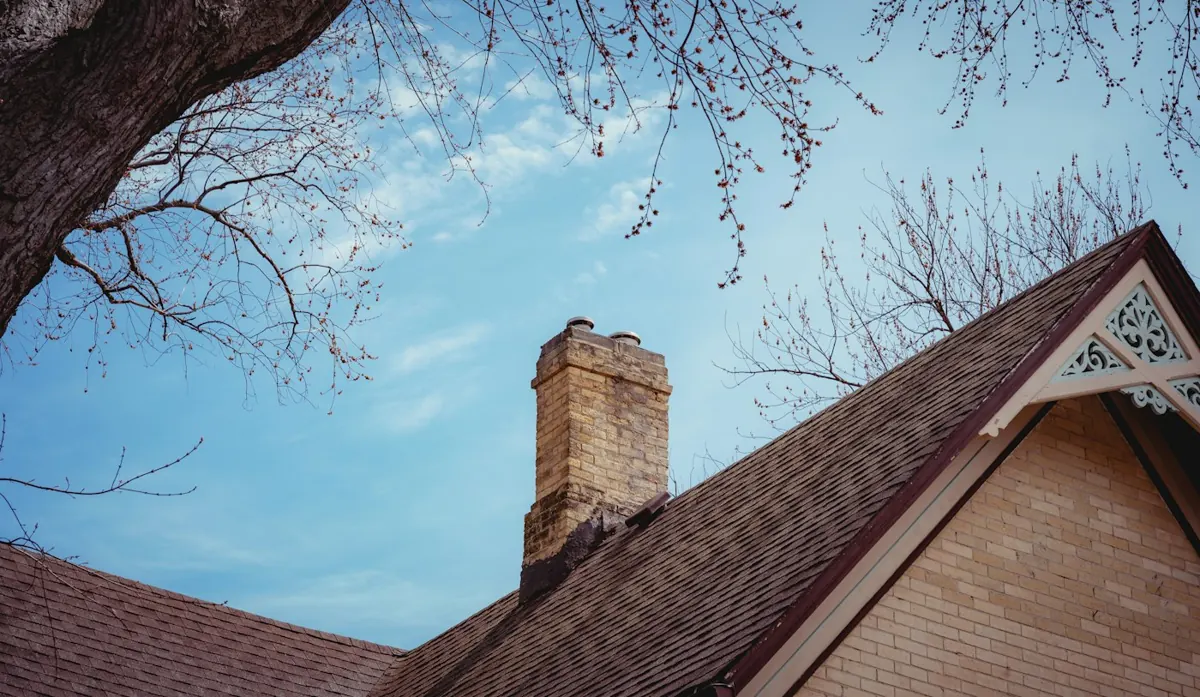 Why Are My Chimney Bricks Flaking and Crumbling?Chipped, flaking chimney bricks are freeze-thaw damage. Why it happens so often in Northwest Indiana, how to stop it, and what repairs cost.
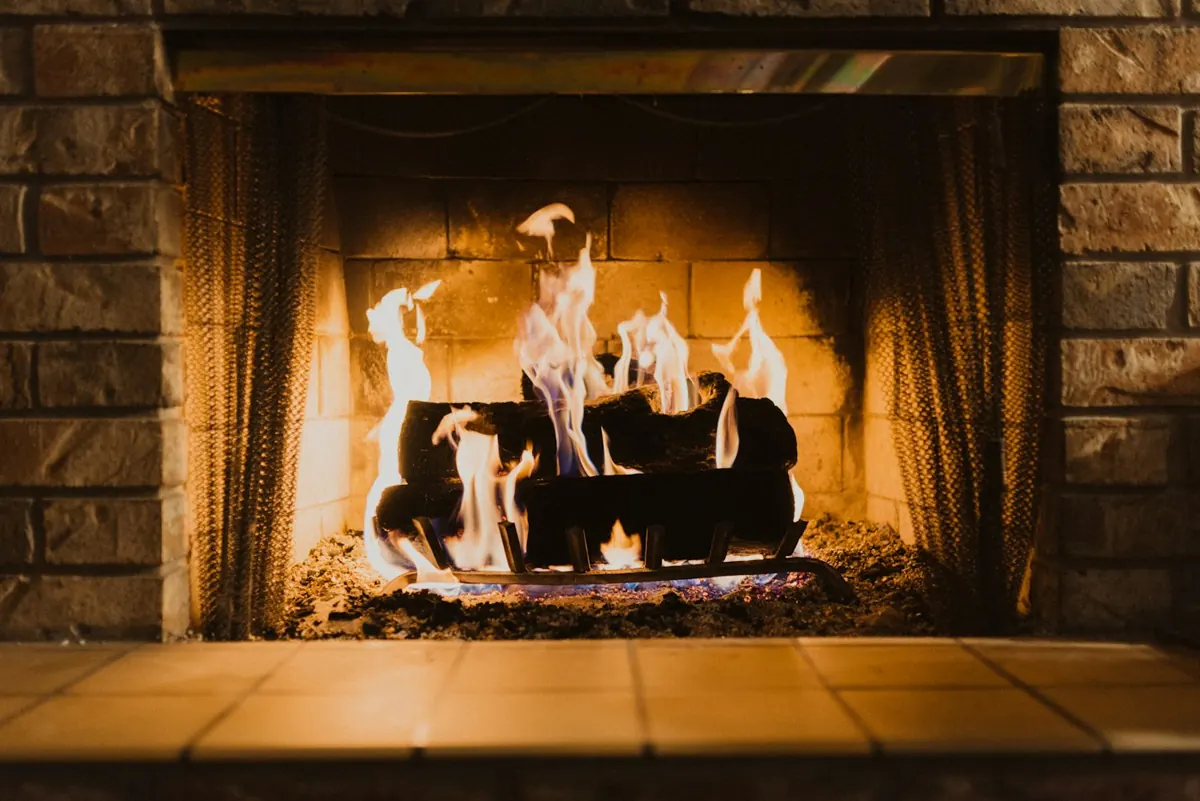 Why Does My Fireplace Smoke Into the House?Smoke rolling into the room instead of up the chimney: the usual causes in Northwest Indiana homes, what you can try tonight, and the repairs that fix it.What Firewood Should I Burn in Northwest Indiana?Which wood burns hot and clean, how long to season it, how to tell if it's dry, and what not to burn — for fireplaces and wood stoves in the Region.
Ready for a safer, cleaner chimney?
Same-week appointments, honest flat pricing, no scare tactics — and same-day emergency service when it can't wait. Licensed and insured.